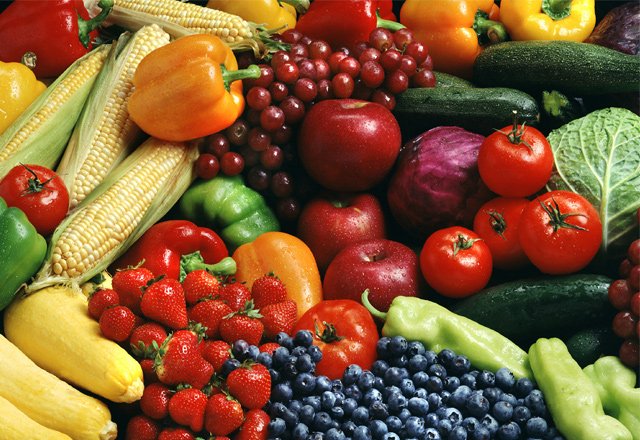
Dietary Makeover: The 5/4 Principle

Changing your diet will change your life! And the great news is that you don’t have to wait weeks or months to notice a difference. Within a few short days, you will begin to feel more grounded, have increased mental focus and your energy will improve. And once you start feeling better, the motivation to continue becomes even greater! When you reframe your brain to think about this as a dietary reboot, it becomes so much easier to make good food choices. So what are you waiting for? Let’s get started!
“The food you eat can either be the safest form of medicine or the slowest form of poison.”
5 foods to avoid
There are 5 foods that can have a profoundly negative impact on your health and your body. Although each one of them is excluded for different reasons, they will prevent you from feeling your best and allowing your body to heal.
- All grains (gluten grains, cereal grains, oatmeal, and anything made from flour including “gluten-free” products); wild or brown rice is fine in moderation.
- All commercially-produced dairy products (milk, cheese, yogurt, cottage cheese, cream cheese, sour cream, ice cream, etc.); raw dairy is fine if you can find it. A good source for cheese is Organic Valley’s brand “Raw, Grass-fed, Organic Sharp Cheddar Cheese.”
- Non-fermented soy (read all labels; commonly found in processed foods and common items such as mayonnaise, salad dressings, and protein bars) Miso, natto, tempeh, and shoyu are fine.
- Caffeinated products (coffee, sodas, black tea, energy drinks, etc.). Green tea is fine as well as dark chocolate (74% or higher)
- Refined sugar or highly processed sweeteners (white sugar, Stevia, Xylitol, Agave, etc.). Raw honey is fine as well as Grade B Maple Syrup.
4 Guidelines to follow
- Don’t skip meals
- Eat every 2-3 hours
- Eat a protein, fat and a carb with every meal and every
snack - Eat twice as many vegetables as fruits over the course of the day
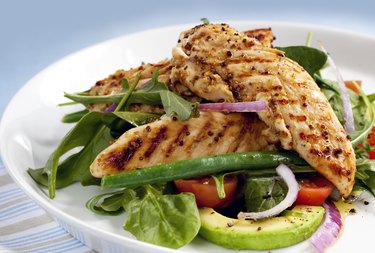
Following these simple guidelines provides the framework that will help stabilize your blood sugar throughout the day and help your body use the glucose efficiently to keep your energy up where it
needs to be. Outlined below are the details about what counts as a “protein,” and “fat,” and a “carb.” These lists are not all-inclusive but will give you a great starting point for eating the right kinds of foods.
“Food is meant to be eaten in moderation and with perspective.”
Proteins
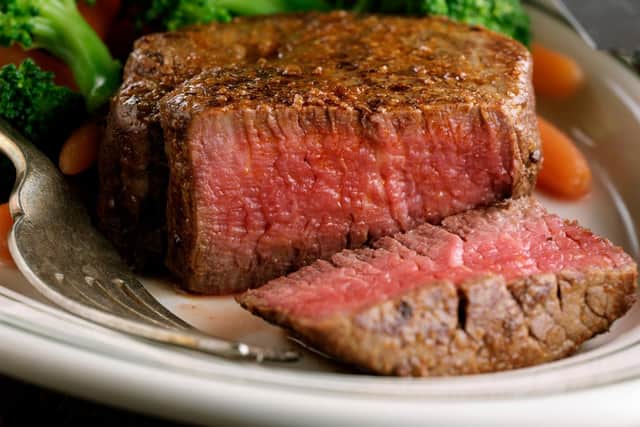
Although there are many foods that contain protein, the only ones that “count” as a protein in your diet are animal proteins. This should make up about 40% of your meal or snack. Include as much protein as you are able with a wide variety of selections. Red meat should be consumed at least 2-3x/week. When shopping for protein, purchase the best quality your budget will allow: Grass-fed beef, organic chicken, wild fish, etc… Remember, this list is not all-inclusive. ANY animal protein in any form is fine.
- Beef, lamb, goat, venison, other wild game
- Turkey, chicken, quail, rabbit, goose, duck, etc…
- Wild fish (if possible)
- Canned tuna (www.papageorgetuna.com)
- Mussels, crabs, clams, oysters, sardines, etc…
- Boars Head deli meat (great to use when you need a quick snack or are traveling)
- High quality whey protein powder (cold pressed/undenatured)
Fats
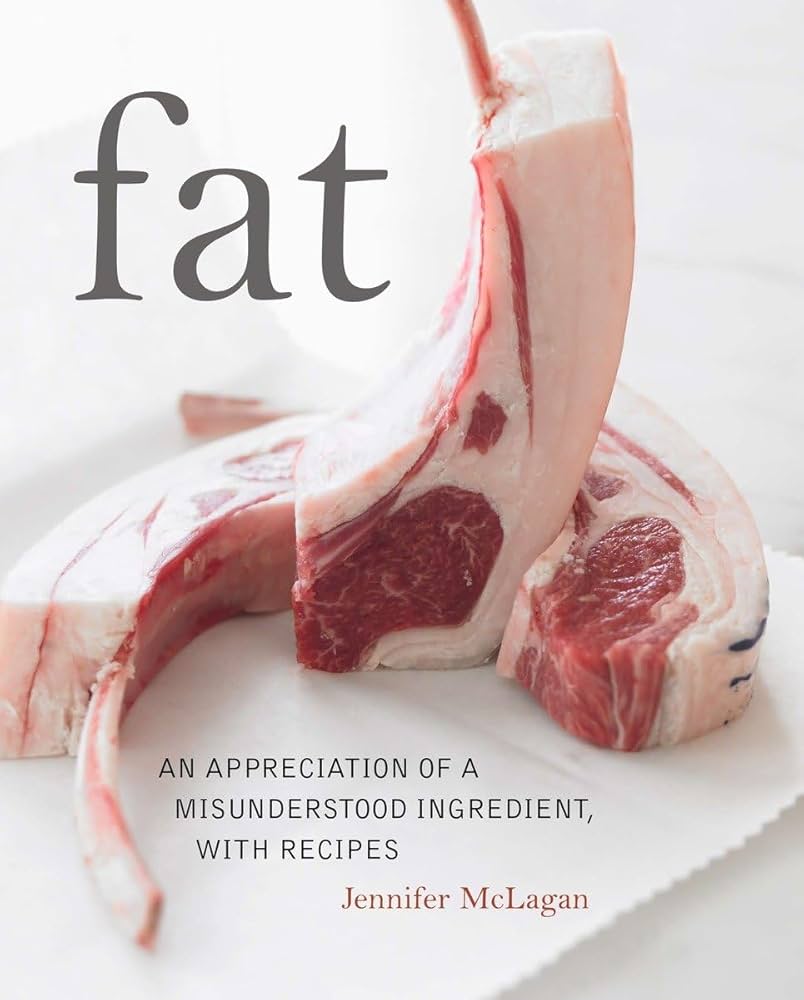
This is probably the most important part of changing your eating habits and yet the most difficult one to master. Try to add at least 20% of the correct type of fat in your meal. These important fats provide energy, help with absorption of fat-soluble vitamins and nutrients, assist in the removal of heavy metals, reduce cravings, keep you satisfied and feed your brain! Be sure to use only organic fats as fat cells are storage houses for toxins so eating organic fats will reduce your exposure to harmful toxins being sprayed or fed to the animals.
Saturated fats (* priority fats)
o Uncured bacon and bacon fat (be sure to save the fat to cook
with)
o Butter
o Coconut oil
o Raw (or organic) heavy cream
o Animal fat (chicken skin, beef fat or marbling, tallow, lard, fish
skin)
Other healthy fats
o Avocados
o Olive oil
o Macadamia nuts, walnuts and cashews
o Cashew butter
o Palm oil or avocado oil
Carbohydrates
This is the easiest part! The only foods that count as a carb are fruits and veggies, not grains! So every meal should contain approximately 40% of some kind of cooked or raw fruit or veggie. And remember; try to eat twice as many veggies and fruits over the course of the day. These will provide the fuel to keep your body running. Remember, fresh is always best and buy organic whenever possible (www.ewg.org).
2015 Dr. Ronda Nelson, PhD, MH, ND. All Rights Reserved.