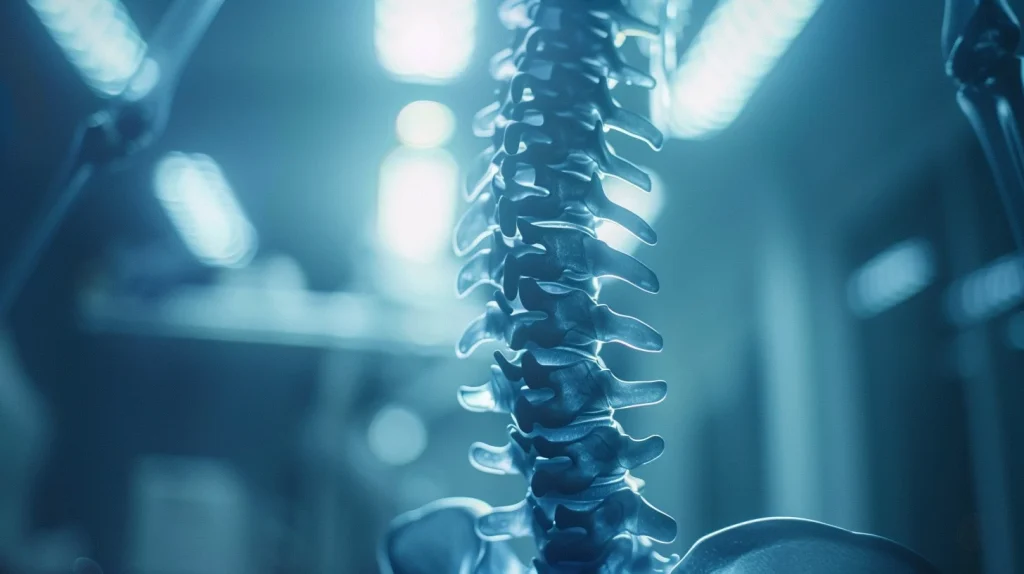


3D X-Ray Analysis is a sophisticated imaging technique that allows for the capture and interpretation of three-dimensional images of the body, tissues, or structures, using X-rays. This technology is a significant advancement over traditional 2D X-rays, as it provides more detailed, accurate, and comprehensive views of anatomical structures. It is commonly used in medical, dental, and industrial applications.
3D X-ray analysis is a powerful diagnostic tool that provides detailed, comprehensive imaging for a wide range of medical, dental, and industrial applications. By offering clear 3D representations of internal structures whether in medicine, dentistry, or industry, 3D X-ray analysis plays a crucial role in modern healthcare and technology, leading to more effective and efficient solutions.
Getting started is easy! To begin, complete our simple online form with your details, or give us a call at +1 (951) 480 2903 to speak directly with our friendly team. We are here to guide you through the process, answer any questions, and set you up for success.
After reaching out, we’ll ask you to complete a brief online questionnaire. This step helps us understand your medical history, current symptoms, and wellness goals. With this information, we can ensure your initial consultation is focused, effective, and tailored to your needs.
Join us at our clinic in Hemet, CA for a one-on-one consultation Dr Matt Zerebny, D.C. During this session, we’ll dive into your concerns, develop a personalized treatment plan, and answer any questions you have. Together, we’ll set you on the path to improved health and well-being.
3D X-Ray Analysis is a sophisticated imaging technique that allows for the capture and interpretation of three-dimensional images of the body, tissues, or structures, using X-rays. This technology is a significant advancement over traditional 2D X-rays, as it provides more detailed, accurate, and comprehensive views of anatomical structures. It is commonly used in medical, dental, and industrial applications.
There are several types of 3D X-ray imaging systems, each suited for different purposes:
Cone Beam Computed Tomography (CBCT)
The machine uses a cone-shaped X-ray beam and rotates around the patient, capturing a full range of 3D images.
Computed Tomography (CT) Scan
The patient lies on a table, and a rotating X-ray scanner captures images of the body. These images are processed into 3D models by a computer.
Digital Tomosynthesis
Digital tomosynthesis captures images of the breast from several angles, and the images are reconstructed into thin slices of the breast tissue, which can be reviewed individually or as a 3D model.
Besides the pros, there are some considerations that you should know.
Cost: 3D X-ray imaging equipment can be expensive, and not all medical facilities may have access to it.
Radiation Exposure: Though lower in some cases compared to traditional CT scans, there is still some level of radiation exposure, which needs to be considered, especially in repeated imaging.
Complexity: The images produced by 3D X-ray machines can be complex to interpret, requiring specialized training for accurate diagnosis.

Disclaimer: There are many causes for chronic pain, neuropathy, and various musculoskeletal and health conditions. Each person should be evaluated thoroughly by their Doctor to determine if the cause of their problems are something as simple as a nutritional deficiency or something that has gone on for so long that they now require surgery.
No claims are being made that the therapies that are being used in this office will impove every condition. A thorough evaluation by a trained medical doctor or healthcare specialist will determine the appropriate diagnosis along with options for the correct care needed.